













By Brig Syed Karrar Hussain Retired
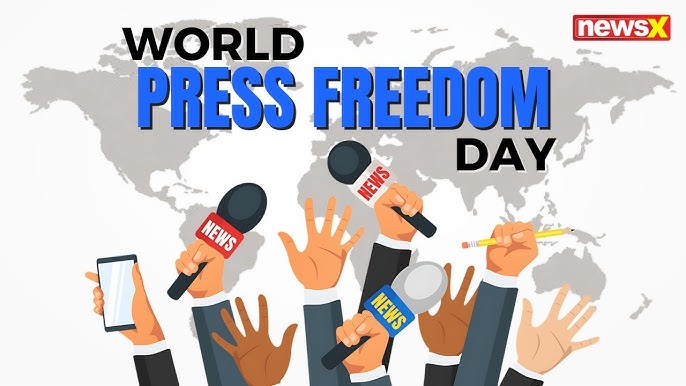
Every year on 3rd May, the world observes the International Day of Press Freedom, a reminder of the fundamental role that a free, independent, and responsible media plays in shaping informed societies. In an age where information travels faster than ever, the importance of press freedom has multiplied, making it not just a professional right of journalists but a cornerstone of democratic governance and public awareness.
Background and Significance of the Day
The origins of the International Day of Press Freedom trace back to 1991, when African journalists gathered in Windhoek, Namibia, and produced the historic Windhoek Declaration. This declaration emphasized the need for an independent and pluralistic press, free from governmental control and censorship. Recognizing its global importance, the United Nations General Assembly officially proclaimed 3rd May as World Press Freedom Day in 1993.
The day serves multiple purposes. It celebrates the fundamental principles of press freedom, evaluates the state of press freedom worldwide, defends media independence, and pays tribute to journalists who have lost their lives in the line of duty. It is also an opportunity to remind governments of their obligation to respect and uphold the right to freedom of expression, as enshrined in Article 19 of the Universal Declaration of Human Rights.
Press freedom is not merely about the right to publish news; it is about ensuring access to accurate, unbiased, and timely information. Without a free press, corruption flourishes, accountability weakens, and public trust erodes. Thus, this day is a reaffirmation that a vibrant media landscape is essential for transparency, justice, and good governance.
Importance of Press Freedom in Modern Societies
In contemporary societies, the media acts as the “fourth pillar of the state,” alongside the legislature, executive, and judiciary. It monitors governance, exposes wrongdoing, informs citizens, and shapes public opinion. A free press empowers citizens to make informed decisions, particularly in democratic processes such as elections.
Moreover, press freedom contributes to social development. It raises awareness about public health, education, human rights, and environmental issues. During crises—whether natural disasters, pandemics, or conflicts—the media becomes a lifeline, providing critical information and countering misinformation.
However, the role of the media is not limited to reporting facts; it also serves as a platform for diverse voices. In pluralistic societies like Pakistan, where cultural, linguistic, and ethnic diversity exists, the media helps bridge gaps and promote national cohesion.
Positive Impacts of a Free Press in Pakistan
In Pakistan, the media landscape has evolved significantly over the past two decades. The proliferation of private television channels, digital media platforms, and social media has expanded the flow of information and strengthened public discourse.
One of the most notable positive impacts of a free press in Pakistan is increased accountability. Investigative journalism has exposed corruption, misuse of authority, and administrative inefficiencies. Public institutions are now more cautious, knowing that their actions are under scrutiny.
Secondly, the media has played a vital role in promoting democratic values. It provides a platform for political debate, enabling citizens to understand policies, question leadership, and participate actively in governance. Election coverage, talk shows, and public discussions have enhanced political awareness among the masses.
Another important contribution is in the realm of social awareness. The media has highlighted issues such as women’s rights, child protection, education, and healthcare. Campaigns against domestic violence, child labor, and honor killings have gained momentum due to sustained media coverage.
Furthermore, during national crises, Pakistani media has demonstrated resilience and responsibility. Whether it was during natural disasters like floods or security challenges, the media has mobilized public support, raised funds, and disseminated critical information.
Negative Impacts and Challenges of Free Press in Pakistan
Despite its many strengths, the free press in Pakistan faces several challenges and has also contributed to certain negative trends.
One major issue is sensationalism. In the race for ratings and viewership, some media outlets prioritize breaking news over verified news. This often leads to misinformation, exaggeration, and unnecessary panic among the public. The spread of unverified news, particularly through social media, has further complicated the situation.
Another concern is the lack of professionalism and ethical standards in certain segments of the media. Biased reporting, character assassination, and the promotion of personal agendas undermine the credibility of journalism. When media outlets align themselves with specific political or commercial interests, their objectivity is compromised.
The rise of digital media has also brought challenges such as fake news, propaganda, and cyber manipulation. In Pakistan, where digital literacy is still developing, many people struggle to distinguish between authentic and false information. This has led to confusion, polarization, and mistrust.
Additionally, journalists in Pakistan often operate in a difficult environment. They face threats, harassment, and pressure from various quarters, including political groups, extremist elements, and sometimes even state institutions. This restricts their ability to report freely and fearlessly.
Another negative aspect is the impact of media trials. In some cases, individuals are declared guilty in the court of public opinion before judicial proceedings are completed. This not only affects the fairness of the justice system but also damages reputations irreparably.
The Way Forward: Recommendations
To strengthen press freedom while ensuring responsibility, a balanced approach is required. The roles of the media, government, and public are interconnected and must complement each other.
Recommendations for the Media
The media must uphold the highest standards of professionalism, integrity, and ethics. Fact-checking should be prioritized over speed, and sensationalism must be avoided. Journalists should adhere to codes of conduct and ensure balanced reporting by presenting multiple perspectives.
Training and capacity-building programs should be introduced to enhance journalistic skills, particularly in investigative reporting and digital media. Media organizations should invest in research-based journalism rather than relying solely on talk shows and opinion-driven content.
Self-regulation is also essential. Media houses should establish internal accountability mechanisms to address errors and maintain credibility. Constructive criticism should be welcomed as a means of improvement rather than perceived as a threat.
Recommendations for the Government
The government has a constitutional and moral responsibility to protect press freedom. Laws and regulations should support independent journalism rather than restrict it. Any legislation affecting media should be transparent, inclusive, and in line with international standards.
Safety of journalists must be a top priority. Effective mechanisms should be established to investigate threats and attacks against media professionals. Those responsible must be held accountable to ensure a secure working environment.
At the same time, the government should promote media literacy among citizens. Educational initiatives can help people critically evaluate information and identify fake news. Collaboration with media organizations and civil society can strengthen this effort.
Recommendations for the Public
The public plays a crucial role in shaping the media environment. As consumers of information, citizens must adopt a responsible approach. They should verify news before sharing it, avoid spreading rumors, and support credible journalism.
Constructive engagement with the media can also improve its quality. Feedback, criticism, and appreciation should be expressed in a balanced manner. By demanding accuracy and accountability, the public can encourage higher standards in journalism.
Moreover, the public should recognize the sacrifices of journalists who risk their lives to bring truth to light. Respecting their work and supporting press freedom is essential for a healthy society.
Conclusion
The International Day of Press Freedom is not just a symbolic observance; it is a call to action. It reminds us that freedom of the press is both a right and a responsibility. In Pakistan, where the media landscape is dynamic and influential, the need for a free yet responsible press is more critical than ever.
A strong, independent, and ethical media can serve as a powerful force for progress, unity, and accountability. However, this can only be achieved through collective effort—by the media upholding professional standards, the government ensuring a supportive environment, and the public engaging responsibly.
As we commemorate this important day, let us reaffirm our commitment to truth, transparency, and justice. A free press is not just the voice of the people; it is the guardian of democracy and the protector of national integrity.