
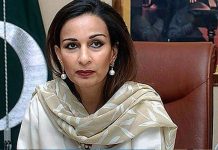















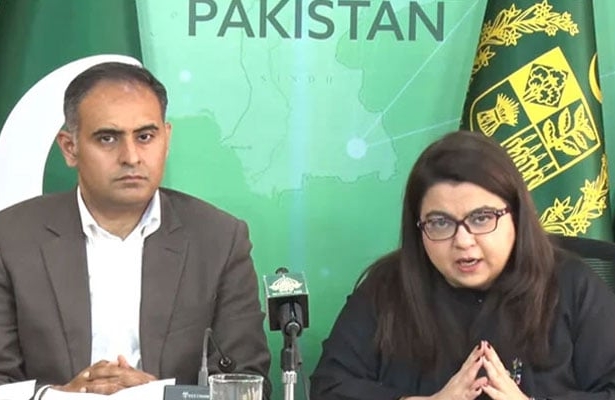
ISLAMABAD: Federal Minister for Information Technology and Telecommunication Shaza Fatima Khawaja Sunday said that the targeted subsidy for transport vehicles is aimed at preventing a rise in fares and containing inflation driven by increasing diesel prices.
Speaking at a press conference alongside State Minister for Railways Bilal Azhar Kayani, said that it would cover vehicles linked to public transport and goods delivery as part of broader efforts to shield the public from the impact of rising fuel prices.
She said the subsidy would apply to buses, trucks, wagons, vans, and motorcycles registered with relevant excise and taxation authorities.
The minister said the decision was taken under the leadership of Prime Minister Shehbaz Sharif after consultations with provincial governments and stakeholders.
She added that global economic pressures and currency depreciation had forced the government to move away from blanket subsidies toward a targeted relief mechanism focusing on vulnerable and middle-income groups.
She said transport vehicles were a key component of the supply chain, adding that any increase in diesel prices directly affected food inflation and the cost of essential commodities.
“To ensure that transport costs and fares do not rise, the federal and provincial governments have jointly introduced a structured subsidy system,” she added.
Shaza Fatima said authorities, including the Ministry of Finance, the State Bank, and digital and telecom banking systems, had worked round the clock to operationalise the initiative.
She said payments to eligible beneficiaries had already begun and were expected to be largely completed within a day or two.
She clarified that only registered vehicle owners would qualify for the subsidy, as the system relies on verified provincial transport databases to ensure transparency and targeted delivery.
Referring to earlier measures, the minister said the government had increased petrol prices by Rs55 nearly two weeks ago to stabilise the situation and prevent panic.
She added that, unlike some neighbouring countries that experienced shortages and unrest, Pakistan maintained uninterrupted fuel supplies.
She credited coordinated efforts by the finance and petroleum ministries for ensuring smooth oil supply chains across the country.
The minister further said the government managed to keep fuel prices stable for nearly three weeks through strict austerity measures, including reductions in cabinet salaries, grounding around 60 percent of government vehicles, and cutting fuel allocations for officials.
“The savings from these measures were redirected toward public relief, which helped delay the increase in fuel prices,” she said.
However, she acknowledged that fiscal constraints made it difficult to sustain blanket subsidies, prompting a shift to targeted support for key sectors such as farmers, transporters, and low-income groups.
She added that additional relief measures included subsidies for farmers and free or subsidised public transport services in some provinces, including Punjab.
An implementation committee has been formed to oversee the execution of the initiative, with progress reports being reviewed multiple times a day and shared with the prime minister.
“The government is committed to ensuring timely delivery of relief,” she said, adding that all relevant departments were working round the clock.
She also appreciated the cooperation of provincial governments, calling the initiative a collective effort to maintain economic stability during challenging times.