
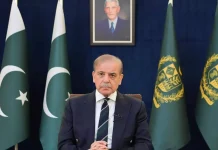














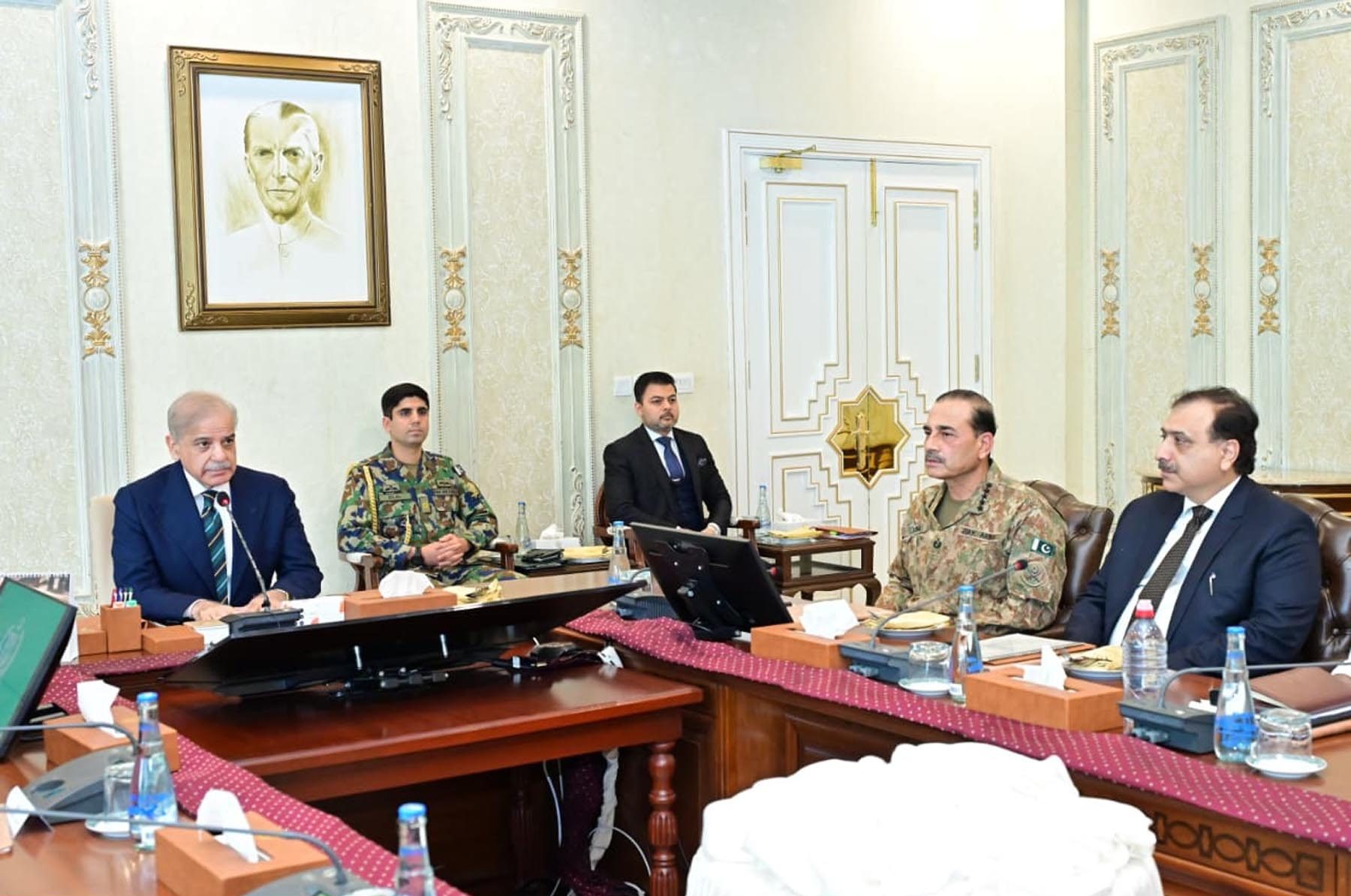
ISLAMABAD:Prime Minister Muhammad Shehbaz Sharif on Thursday outlined a series of policy measures to shield Pakistan’s economy from the adverse effects of the ongoing regional conflict, emphasizing austerity, protection of vulnerable segments, support for agriculture, and national unity to sustain economic stability and growth.
Addressing a high-level meeting attended by federal and provincial leadership, the prime minister said Pakistan had made all possible efforts to help secure a ceasefire in the region and reduce tensions through diplomatic engagement led by Deputy Prime Minister and Foreign Minister, Senator Mohammad Ishaq Dar and the military leadership, including Field Marshal Asim Munir. He noted that Islamabad’s efforts to promote peace were continuing and expressed hope that stability would soon return to the region.
The prime minister said Pakistan’s economy, which had stabilized over the past two years through coordinated efforts by federal and provincial governments, was now facing renewed pressure due to global uncertainty and supply disruptions. He stressed that the government had already taken difficult decisions to manage fuel prices and maintain stability in essential sectors.
He said the government absorbed a major portion of the fuel price shock by reducing the petroleum development levy and equalizing diesel and petrol prices through a Rs55 adjustment. He described it as a necessary step to protect citizens from a heavier financial burden.
Prime Minister Shehbaz Sharif also announced a range of austerity measures adopted by the government, including voluntary surrender of two months’ salaries by federal cabinet members, a 50 percent reduction in government fuel consumption, and restrictions on the use of official vehicles. He said members of parliament had also contributed to national savings efforts in solidarity with the public.
The prime minister said the federal government had allocated Rs129 billion in the past three weeks to provide a financial cushion against the economic impact of the crisis, while Rs100 billion savings were generated through cuts in the Public Sector Development Programme (PSDP) to support urgent national priorities.
He underscored the importance of national political consensus in responding to the evolving situation, appreciating the constructive role played by political leaders, including Chairman PPPP, Bilawal Bhutto Zardari, and acknowledging the supportive consultations held at the Presidency with participation from provincial leadership.
The prime minister said the government’s foremost priority was to safeguard low-income households and emphasized a policy shift toward protecting vulnerable groups. He called on affluent segments of society to demonstrate sacrifice and solidarity during the challenging period.
He directed authorities to prioritize funding for agriculture, public transport, and goods transport sectors to control inflation and ensure uninterrupted economic activity. He stressed the urgency of the harvesting season, and said farmers must be ensured adequate diesel supplies to sustain crop production and support a quick economic turnaround.
The prime minister further urged federal and provincial governments to postpone non-essential development projects and redirect savings toward relief measures for the poor and stabilization initiatives.
He said continued political stability was essential for sustaining economic stability and growth, adding that coordinated national action and disciplined implementation of conservation policies would help protect workers, widows, and underprivileged communities during the crisis.
Earlier, the prime minister welcomed the deputy prime minister, the field marshal, chief ministers of all the four provinces including Gilgit Baltistan, the Prime Minister of AJK and the federal cabinet members who participated in the meeting.