















By Brigadier (R) Syed Karrar Hussain Shah
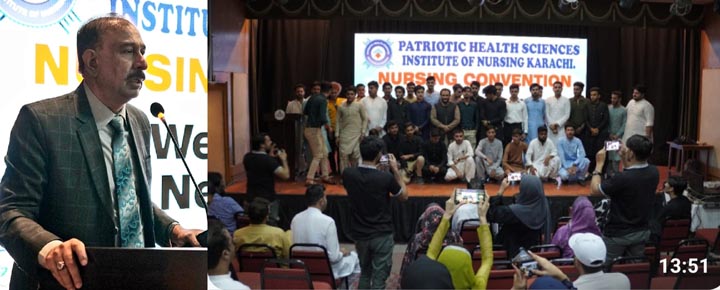
In the noble field of healthcare, the role of nurses remains indispensable. Their commitment to healing, compassion, and courage places them among the true unsung heroes of any society. The Patriotic Health Science Institute of Nursing Karachi, with a clear vision for empowering Pakistan’s future nursing workforce, held its Convention 2025 at the Pakistan American Culture Center (PACC) with great enthusiasm and success.
This event was not just a celebration of academic accomplishment — it was a tribute to a legacy of care that stretches back centuries, beginning with the earliest Muslim women who tended to the wounds of warriors and upheld the Prophet Muhammad’s (PBUH) mission with bravery, skill, and faith.
Nursing in Islam: A Legacy of Compassion and Courage
The history of nursing in Islam begins with the Prophet Muhammad’s (PBUH) lifetime. The first women to offer first aid and nursing services in the harshest conditions of war, famine, and illness were among the Prophet’s closest family and companions. Their selfless service laid the foundation of what would later evolve into a structured, respectful, and faith-driven healthcare system.
Hazrat Fatima bint Asad, the mother of Hazrat Ali (RA) and one of the first women to embrace Islam, was known for her deep love for the Prophet (PBUH). Historical accounts indicate that during early conflicts and times of hardship in Makkah and Madinah, she played a vital maternal role, offering physical and emotional comfort to the Prophet and his companions.
Hazrat Khadija (RA), the Prophet’s first wife, was not only a financial and emotional pillar of early Islam but also provided spiritual and physical support during the Prophet’s earliest trials. During times of persecution, she was the one who helped in healing the Prophet’s wounds—metaphorically and literally—with her presence, warmth, and wisdom.
Equally revered are the Sahabiyat (female companions) who provided battlefield medical care during the Battles of Badr, Uhud, Khandaq, and Khyber. Rufaida Al-Aslamia (RA), often recognized as the first Muslim nurse, is a towering figure in Islamic medical history. She established the first mobile field hospitals during the Prophet’s military campaigns and trained other women in the skills of wound dressing, hydration, and patient care.
Other notable names include:
Nusaybah bint Ka’ab (RA), who not only fought in battles but also treated the wounded during and after conflicts.
Umm Sulaym (RA) and Umm Atiyya (RA), who provided care, preparation of the deceased, and training to other women.
These women are the spiritual foremothers of today’s nursing professionals. Their bravery, professionalism, and Islamic ethics continue to inspire Muslim nurses across the globe.
Subcontinental Pioneers of Nursing
The British colonial period saw the emergence of modern nursing in South Asia. Though initially westernized, the field gradually included Muslim women who defied social norms to enter this noble profession.
Among the most prominent names are:
Begum Rana Liaquat Ali Khan, who as the First Lady of Pakistan in the 1950s, worked for the upliftment of nurses and paramedics and established the Nurses Association of Pakistan.
Nurse Rufaida Malik, one of the earliest known female instructors at Jinnah Postgraduate Medical Centre (JPMC), who played a role in shaping modern nursing education in Pakistan.
Dr. Shershah Syed, while not a nurse himself, advocated for women’s medical education and helped transform midwifery and nursing standards in Pakistan.
Countless anonymous but dedicated nurses in the 1947 Partition who saved lives in refugee camps amid unimaginable hardship.
Convention 2025: A New Chapter in Professional Excellence
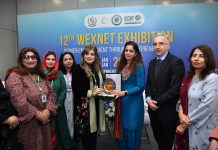
Against this rich historical and cultural backdrop, the Patriotic Health Science Institute of Nursing Karachi’s Convention 2025 shone as a beacon of future promise. It was held at Pakistan American Culture Center (PACC) and beautifully organized by Team A, whose dedication and professionalism made the event a memorable success.
The convention served a dual purpose: celebrating the graduating nurses for their academic achievements and welcoming the new admissions into the fold of healthcare professionals. The energy in the hall was electric with pride, hope, and patriotic fervor.
Acknowledging the Pillars Behind the Event
The outstanding management team deserves heartfelt appreciation. Led by:
Muhammad Ayub Khan Lala, Managing Director of Patriotic Health Science Institute of Nursing Karachi, who envisioned a professional event rooted in Islamic values and national spirit.
Noor ul Wahid, CEO, whose strategic vision elevated the Institute to national prominence.
Fida Hussain, Chairman, whose guidance strengthened the institute’s academic structure.
Principal Ms. Seema Khan, whose leadership shaped the educational excellence of the nursing faculty.
Their combined efforts created a platform where nursing was not just seen as a job but a sacred duty.
Special Guests and Their Inspiring Presence
The event was honored with an array of distinguished guests whose presence uplifted the morale of young nurses and faculty members alike.
Chief Guest: Mr. Fahad Shafiq, Coordinator to the Prime Minister’s Youth Program, lauded the institute’s dedication to youth empowerment through healthcare training.
Guest of Honor: Mr. Mahmood Ahmed Khan, MD Star Marketing, emphasized corporate support for healthcare development.
Special Guest: Brigadier (R) Syed Karrar Hussain Shah, myself — I had the privilege of addressing the gathering, where I emphasized the historic and spiritual significance of nursing in Islam, invoking the examples of the Sahabiyat. I also highlighted the need for ethical responsibility and national service in modern nursing.
Dil Dar Zada Gulab, a respected figure in social service, also shared his thoughts.
Mazhar Rizvi, Director PR of Team A, brilliantly managed the event’s media and communication efforts.
Asif Kalam, Director Operations of Team A, ensured logistical perfection.
Agha Sherazi, President Team A, and Abida Agha, CEO Team A, were the masterminds behind the seamless execution of the convention.
A Message to the New Generation of Nurses
To the new graduates and incoming students, I say this: You are not only carrying forward a profession but reviving a sacred tradition. The Prophet (PBUH) said, “Whoever relieves a believer’s distress, Allah will relieve his distress on the Day of Judgment.” This is the divine blessing of healthcare — to bring ease to the suffering.
Let your nursing practice be grounded in professional competence, compassion, and Islamic ethics. Always remember that the white coat you wear is not just a uniform — it is a symbol of trust, hope, and mercy.
Conclusion
The convention was a fitting reminder that we stand on the shoulders of giants. The examples of Hazrat Fatima bint Asad, Hazrat Khadija (RA), and Rufaida (RA) are not mere historical anecdotes — they are timeless inspirations. The field of nursing, especially in Pakistan, must continue to be recognized as a profession of honor and dignity.
Institutes like the Patriotic Health Science Institute of Nursing Karachi are leading this movement by combining religious values, modern education, and patriotism. It is time we raise the social status of nurses in our society and acknowledge them not just as caregivers — but as guardians of national health and spiritual values.
As we celebrated the achievements of today’s graduates, we were reminded that every healing touch, every bandage, and every drop of compassion brings us one step closer to a better, healthier, and more humane Pakistan.