



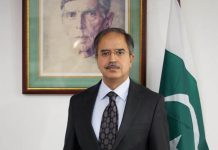



















Inam-ur-Rehman
Lecturer
Department of Psychology
DHA Suffa University
Psychology is becoming an increasingly popular and significant profession in Pakistan. Pakistani psychologists are working across diverse private and public sectors, including the military, public service commissions, various NGOs, universities, schools, colleges, hospitals, clinics, rehabilitation centers, jails, and corporate organizations. The involvement of psychologists in diverse settings indicates that the discipline plays a important role in Pakistan’s social development. Psychologists play an important role in addressing Pakistan’s mental health burden through psychological assessment, diagnosis, treatment, prevention, rehabilitation, and public awareness, sharing an equal responsibility alongside psychiatrists and other mental health professionals. The increasing recognition of psychology as an important academic discipline and career choice is also reflected in the expansion of psychology degree programs across Pakistani universities. However, despite of its growing importance and professional opportunities, the situation regarding professional development is not encouraging as psychologists in Pakistan encounter various challenges that needs serious attention.
One of the major challenges of psychologists in Pakistan is the absence of standard, extensive and intensive training of clinical psychology. In comparison to other health professions, medical students who complete MBBS (Bachelor of Medicine and Surgery) go through a hospital based house job where they get exposed to various medical departments. However, psychologists do not have a dedicated system of house jobs, which significantly impact the quality of their services. Many universities offering psychology program but they do not have proper clinical setups where students can receive standard practical training. This may affect the quality of professional preparation and the services psychologists provide.
The second major challenge of psychologists is the lack of professional regulation and registration body like Pakistan Medical and Dental Council (PMDC). In Pakistan the Allied Health Professionals Council (AHPC) includes psychology under the allied health frame work. However, this clearly does not distinguish the scope of practice of psychologists. Pakistan does not have a independent national regulating body for psychologists. Pakistan also lacks a proper licensing and registration system with an examination to ensure that only competent psychologists are allowed to practice. This gap creates challenges in ensuring standardized professional competence, accountability, and public protection.
Another serious issue is quackery and professional malpractices. Underqualified and unqualified psychologists may provide psychological services or use professionals titles without having appropriate education and training which raises serious ethical concerns. In result, malpractices by such professionals cannot only damage the reputation of the psychology profession, also it can break the trust of the public.
Professional perception and lack of equal professional recognition of psychologists within the health care system also needs attention. In Pakistan, psychologists often receive less recognition than psychiatrists and other health professionals in some healthcare settings. Despite having years of education and training, such as an MPhil/MS or PhD in Clinical Psychology, they may be offered positions under psychiatrists and have limited opportunities to lead multidisciplinary teams. Despite of sharing equal clinical responsibilities their professional role sometimes treated as secondary. This highlight the need of equal professional recognition and leadership opportunities.
Further, a important gap in field psychology is the absence of clear national standards for establishing and operating mental health facilities defining who is qualified to establish, own, and operate mental health facilities and who is not. Some mental health clinics, counselling services, psychiatric, and drug rehabilitation centers, may be established or managed by people who have no formal education in psychology, psychiatry, medicine, nursing, or rehabilitation sciences. This highlight the need for clear national standards and guidelines for establishing mental health services.
Shortage of government funded mental health institutions at national level is another big concern. Pakistan already has important government institutions, including the Punjab Institute of Mental Health, psychiatry wards in district head quarter hospitals, government psychiatry services in Sindh, Anti-Narcotics Force rehabilitation centers, and government supported child and autism centers. However, these services are not sufficient for the needs of country’s large population.
Low and inconsistent salaries is a key challenge with regard to Pakistani psychologists despite the time and cost involved in higher education and professional training. The average salary of MS/MPhil level psychologists in Pakistan is about PKR 45,000 – 60,000 per month, which is unfair given the years of education, effort, and financial resources required to complete their degrees.
Another issue that needs attention is the safety of psychologists and support staff. Sometimes psychologists have to deal with clients with severe and chronic psychiatric illnesses. Such patients may be severely distressed, intoxicated, confused, or aggressive. Psychologists should not be expected to handle such cases alone and they need trained support staff for high risk situations.
Pakistan needs a comprehensive national framework in order to strengthen the psychology profession and to protect both psychologists and public. A standardized clinical internship or house job system should be introduced for psychology graduates, similar to the supervised practical training offered in other health fields. A dedicated Pakistan Psychology Council (PPC) should be established which would be responsible for registering psychologists, issue them professional licenses and registration numbers, define the scope of their practice, regulating training, protecting the use of professional titles, and enforcing ethical standards. The government should introduce strict measures against quackery and professional misconduct by making sure that psychological services are given only by professionals who are properly qualified and registered. Psychology must be recognized as an independent evidence-based health profession with a clearly defined primary role among multidisciplinary healthcare professionals. National standards or regulatory framework should be developed to set clear standards regarding establishment, operations, and monitoring of mental health treatment centers in Pakistan. At the same time, Pakistan should extend its government funded psychological services to the district and community levels. Psychologists should receive fair salaries and their places of work should have appropriate safety measures, trained support staff and emergency protocols when dealing with high risk clients.
Strengthening the psychology profession is essential for Pakistan’s social development. Psychologists play a significant role in promoting mental health, improving family and social relationships and supporting healthy communities. Recognizing and supporting this profession can contribute to a healthier, productive, and resilient society.