












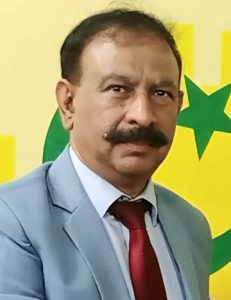
By Brig Syed Karrar Hussain (Retd.)
The morning of 8 October 2005 began like any other morning.
The sun rose over Pakistan, people went to work, children prepared for school, and soldiers stood at their posts. No one knew that beneath the mountains of the North, the earth was preparing to write one of the darkest chapters in Pakistan’s recent history.
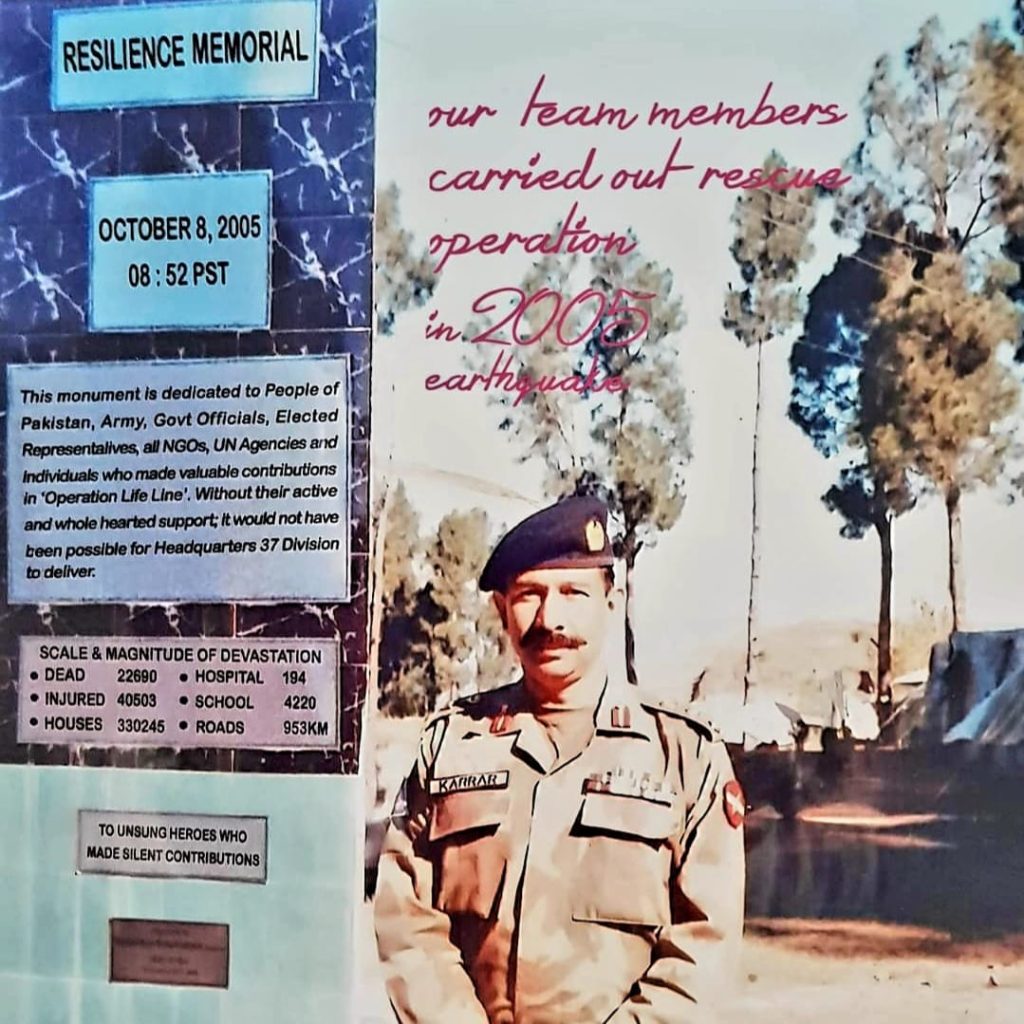
I was serving as a Lieutenant Colonel in Corps Headquarters Karachi
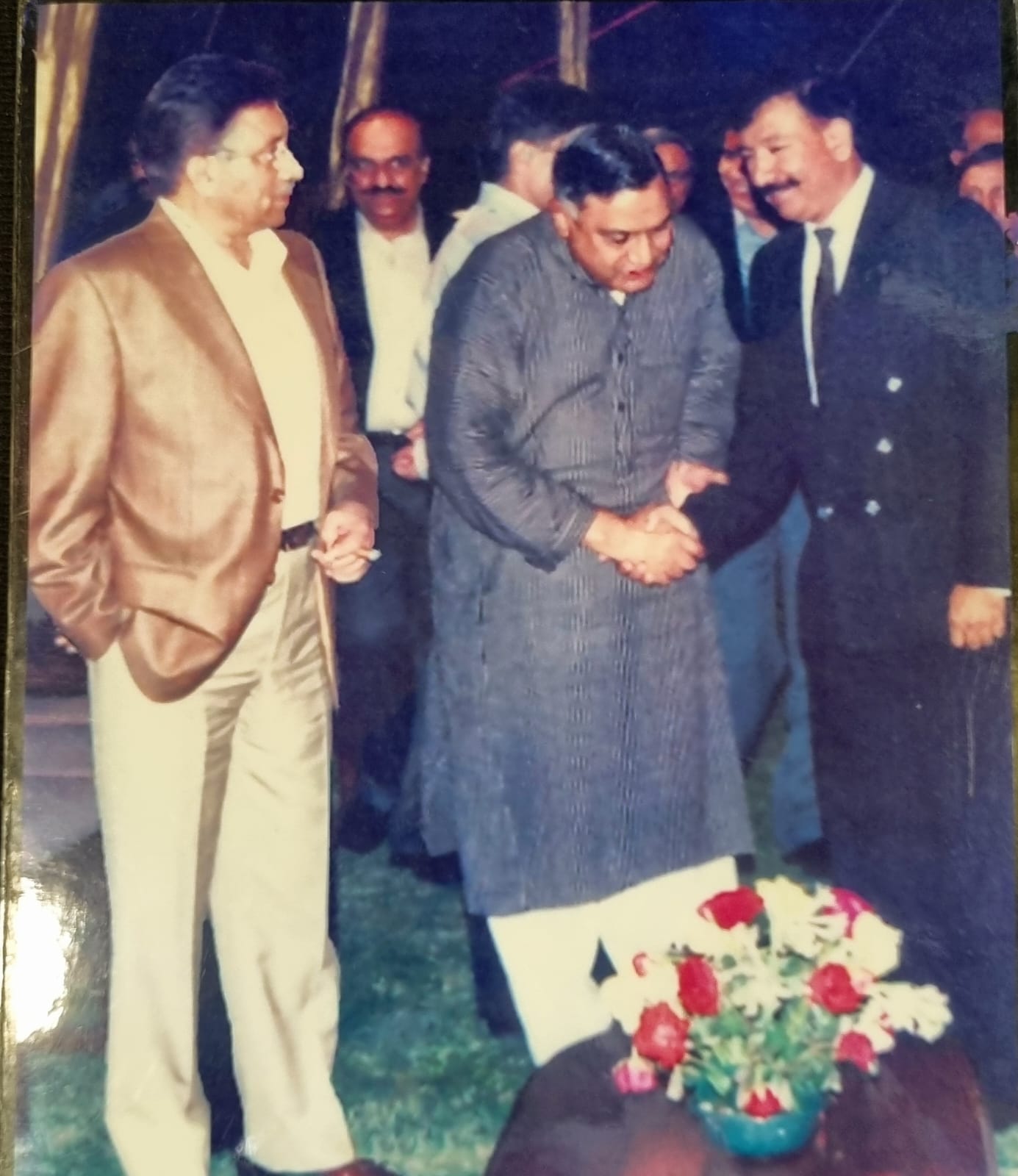
Thousands of miles away, in the mountains of the then North-West Frontier Province and Azad Jammu and Kashmir, a massive earthquake struck. The ground shook with unimaginable violence. Homes collapsed, roads disappeared, schools turned into graves, and entire families were buried beneath the rubble.
But in Karachi, we knew nothing.
Communication lines had been destroyed. Information travelled slowly. In those days, there were no instant alerts capable of telling the whole country what had happened within seconds. The silence itself became frightening.
It was around 10 October when the magnitude of the disaster finally became clear to us.
The news was devastating.
Nearly 87,000 people had lost their lives, around 138,000 were injured, and approximately 3.5 million people were left homeless. Behind every number was a family, a story, a mother, a child, a father, a home that had disappeared in seconds.
The army immediately began thinking about relief.
In Karachi, I received directions from our Corps Commander, Lieutenant General Syed Athar Ali Shah, along with our Chief of Staff, Brigadier Mansha, and my immediate boss, Colonel Gul Akhtar Rashid.
The message was simple:
We had to help. And we had to help immediately.
Our first relief camp was established at Shahrah-e-Faisal.
Initially, we thought it would be a modest collection point. People would bring some medicines, blankets, clothes and food, and we would send them north.
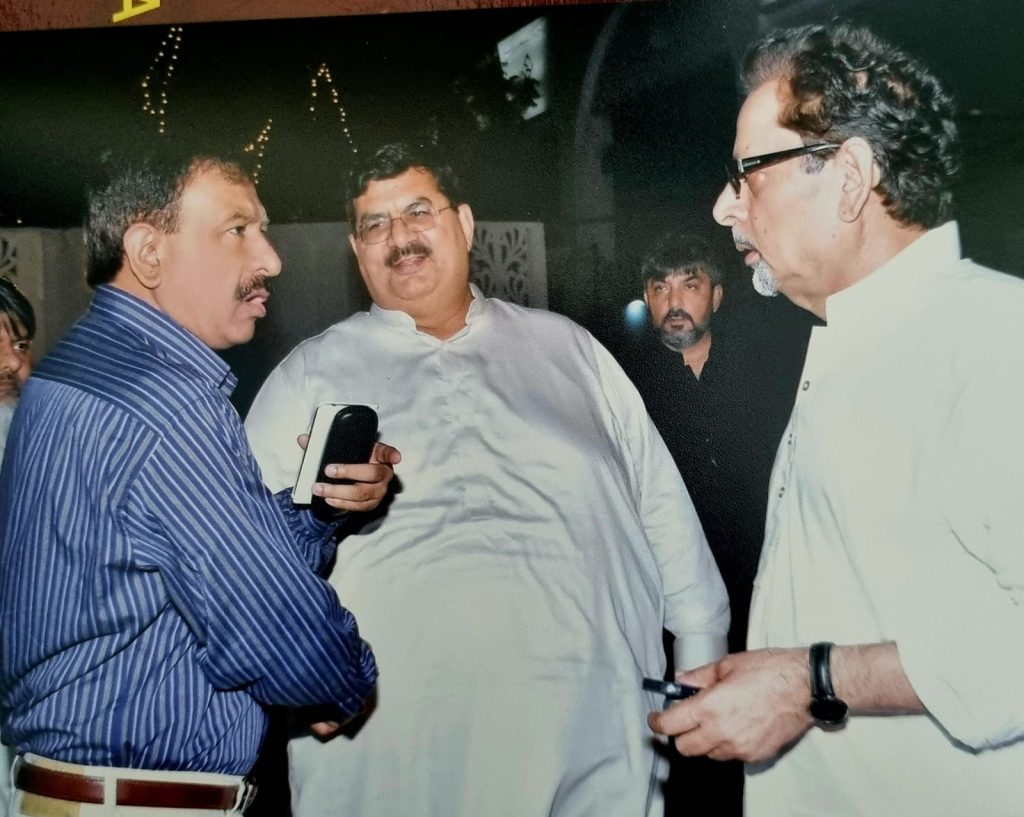
But Karachi had other plans.
Within hours, citizens began arriving.
Then more came.
Then thousands.
Cars, trucks and private vehicles started pouring into the area. Mothers sent blankets for children they had never seen. Doctors sent medicines. Shopkeepers brought cartons. Businessmen brought supplies. Ordinary citizens brought whatever they could afford.
Soon, the relief camp could no longer accommodate the vehicles.
There was hardly any space left.
We shifted the operation to the larger lawns of PAF Base Faisal.
But even that was not enough.
The generosity of Karachi had become larger than the physical space available to contain it.
Eventually, another major relief camp had to be established at the Central Ordnance Depot (COD) on Rashid Minhas Road.
For me, those camps became my second home.
It was Ramadan.
While most people were preparing for iftar with their families, I was spending almost the entire day and night at the relief camps. Sometimes the hours passed without my realizing it. The scale of the work was enormous, but there was never a shortage of people willing to work.
What I remember most was not the exhaustion.
It was the humanity.
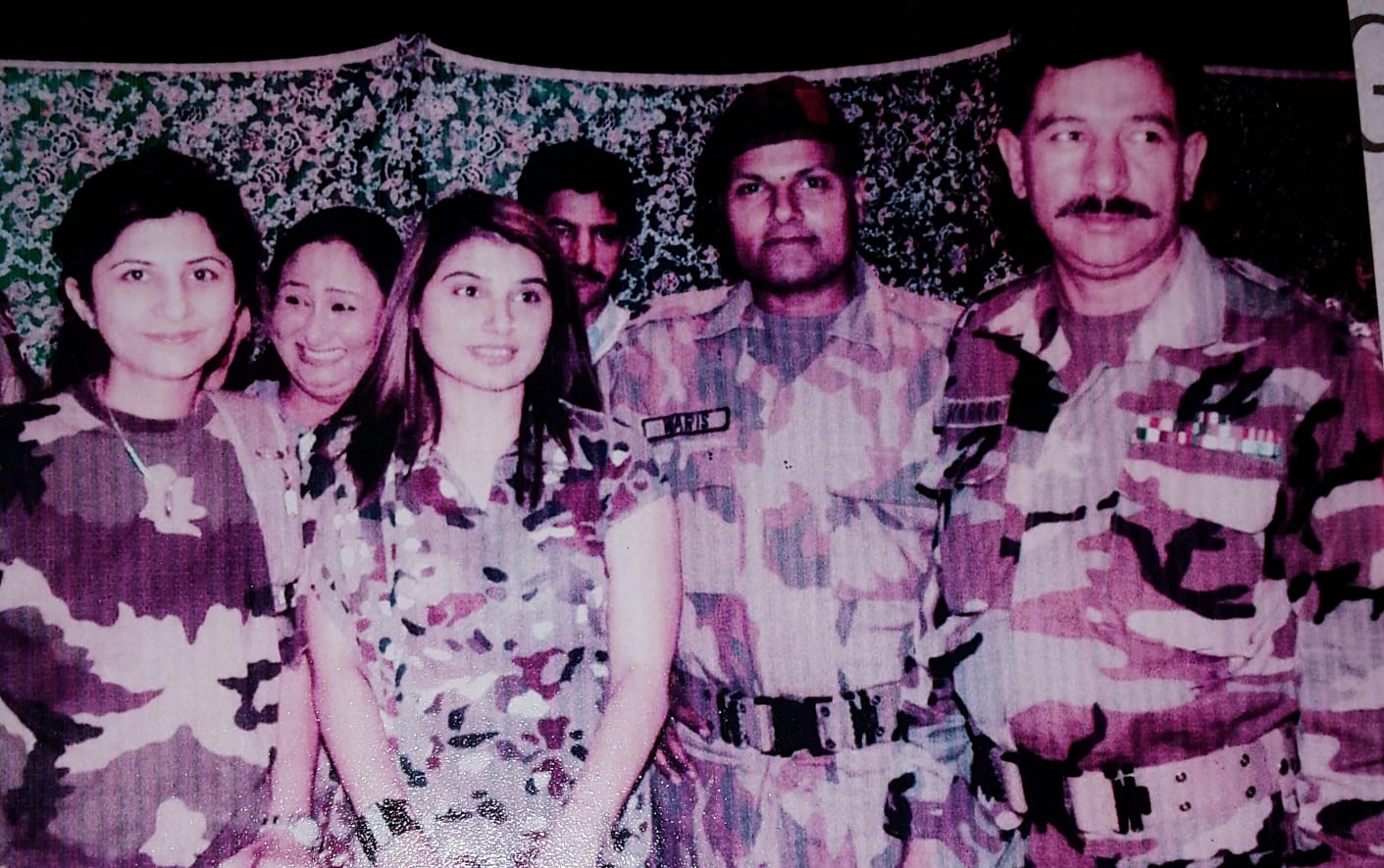
Pakistan’s artists, businessmen, celebrities, professionals and ordinary citizens all stood together. My son Syed Ansaar Hussain and his class fellows also worked as volunteers at the relief camp
Renowned
Anchor Fakhr-e-Alam supported our relief effort enthusiastically. The late qawal Amjad Sabri, whose powerful voice would later become legendary, also contributed generously. Film star Saud and his wife Javeria supported the campaign. Singer Huma also came forward.
Businessman Aqeel Karim Dhedhi provided lots of containers that became extremely useful for transporting relief goods from Karachi to the affected areas.
Everyone wanted to contribute.
Nobody asked, “What will I get in return?”
They only asked:
“What can we send?”
This was the Karachi I saw in those days.
A Karachi of compassion.
A Karachi that had forgotten differences of language, profession, class and status.
There was another dimension to my responsibility.
The international community had begun sending rescue teams to Pakistan. Their aircraft arrived at Chaklala Air Base, carrying specialists and equipment desperately needed in the earthquake zone.
However, heavy machinery and relief equipment was arriving by sea in Karachi.
I was responsible for coordinating their onward movement.
Railway rolling stock became an important part of that logistical chain. The equipment had to move from Karachi towards the areas where it was needed most.
The Pakistan Railways authorities supported the operation, and I remain deeply grateful to the railway leadership and personnel who helped us move this vital equipment.
For a soldier, logistics is often invisible.
People see the rescue worker.
They see the helicopter.
They see the excavator removing concrete.
They see the soldier carrying a child.
But behind every such image is a chain of logistics—fuel, transport, food, medicines, railway wagons, containers, roads and communication.
If that chain breaks, relief stops.
Those days taught me that logistics is not merely about moving things.
Sometimes, logistics means moving hope.
In 2006, after my promotion as Colonel and posting to Mangla Corps, I found myself once again among the earthquake survivors. My corps commander Lt Gen Sajjad Akram along with his divisions was fully involved in rescue and rehabilitation process.
The disaster had entered another phase.
The first phase had been rescue.
Then came relief.
Then rehabilitation.
The Earthquake Reconstruction and Rehabilitation Authority—ERRA—became an important part of the national effort to rebuild the devastated areas. Here again Lt Gen Sajjad Akram performed exceptionally well.
Army formations were deeply involved in rehabilitation and reconstruction activities in areas including Mansehra and the mountainous regions of Naran and Kaghan.
Once again, I became involved in providing logistical support.
The faces were different, but the pain was familiar.
I saw villages struggling to rise again.
I saw people living with memories of those they had lost.
I also saw something extraordinary.
I saw Pakistan Army soldiers working not merely as soldiers, but as builders, rescuers, transporters, engineers, doctors and companions.
One of our Brigade Commander, Zubair Mahmood Hayat who served in that operation later rose to the rank of generals. But at that time, rank seemed almost irrelevant. What mattered was the mission.
The mission was to rebuild lives.
Looking back after more than two decades, I often wonder what remained from that terrible morning of 8 October.
Buildings disappeared.
Roads cracked.
Mountains moved.
Thousands of families lost everything.
But something else emerged from the ruins.
Humanity stood taller than the rubble.
The earthquake showed us the fragility of life, but it also showed us the strength of compassion.
It reminded me that disasters do not ask whether a person is rich or poor, civilian or soldier, famous or unknown.
And compassion should not ask those questions either.
I still remember those long Ramadan nights at the relief camps in Karachi.
The tired faces.
The trucks waiting to depart.
The cartons of medicines.
The blankets packed for unknown children.
The volunteers refusing to leave.
The soldiers working without complaint.
And somewhere in the distance, a nation was waiting for help.
We could not bring back those who had died.
We could not erase the grief.
But we could carry food to the hungry, medicine to the injured, machinery to the rescuers, and hope to those who had lost everything.
That was our duty.
And that was also our privilege.
The earthquake of 8 October 2005 was one of Pakistan’s greatest tragedies.
But it was also one of the greatest demonstrations of Pakistan’s collective spirit.
I witnessed it as a soldier.
I experienced it as a logistics officer.
But I remember it as a human being.
The earth had trembled.
Homes had fallen.
Thousands had perished.
Yet, from Karachi to Kashmir and Naran/ Kaghan one message travelled through the broken roads and damaged mountains:
Pakistan will not leave its people alone.
And perhaps that is the most enduring lesson of October 2005.
When the earth trembles, buildings may fall.
But if humanity stands together.