





















By Brig. Syed Karrar Hussain (Retired)
Pakistan’s economic challenges are generally discussed in terms of energy costs, taxation, inflation, exchange rates, political uncertainty and declining competitiveness. However, another equally important factor deserves serious attention: the efficiency, predictability and effectiveness of the country’s justice system, particularly in commercial and economic matters.
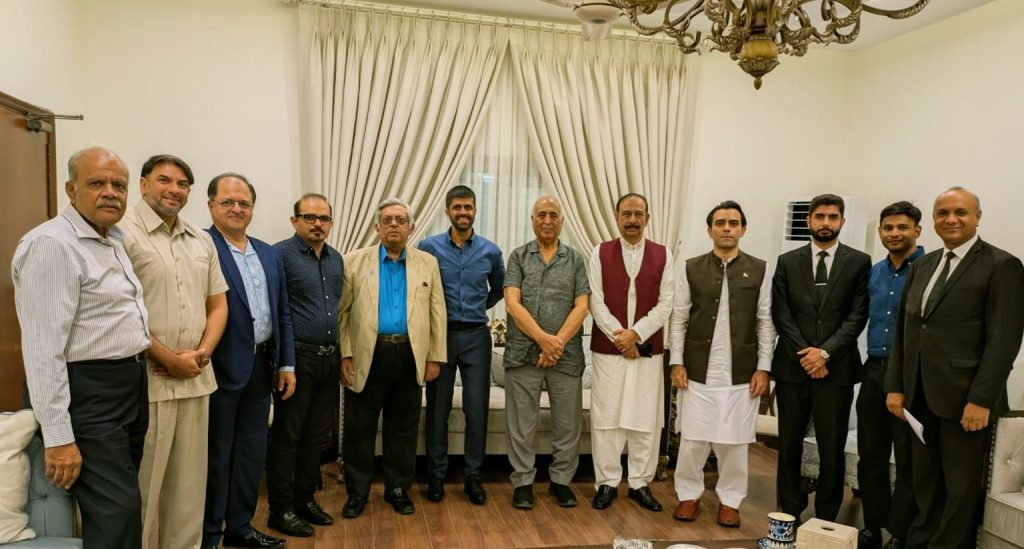
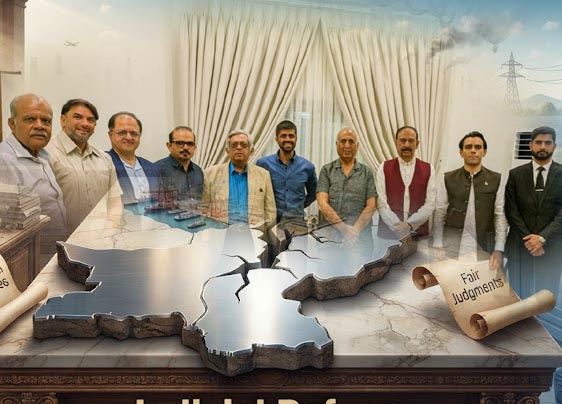
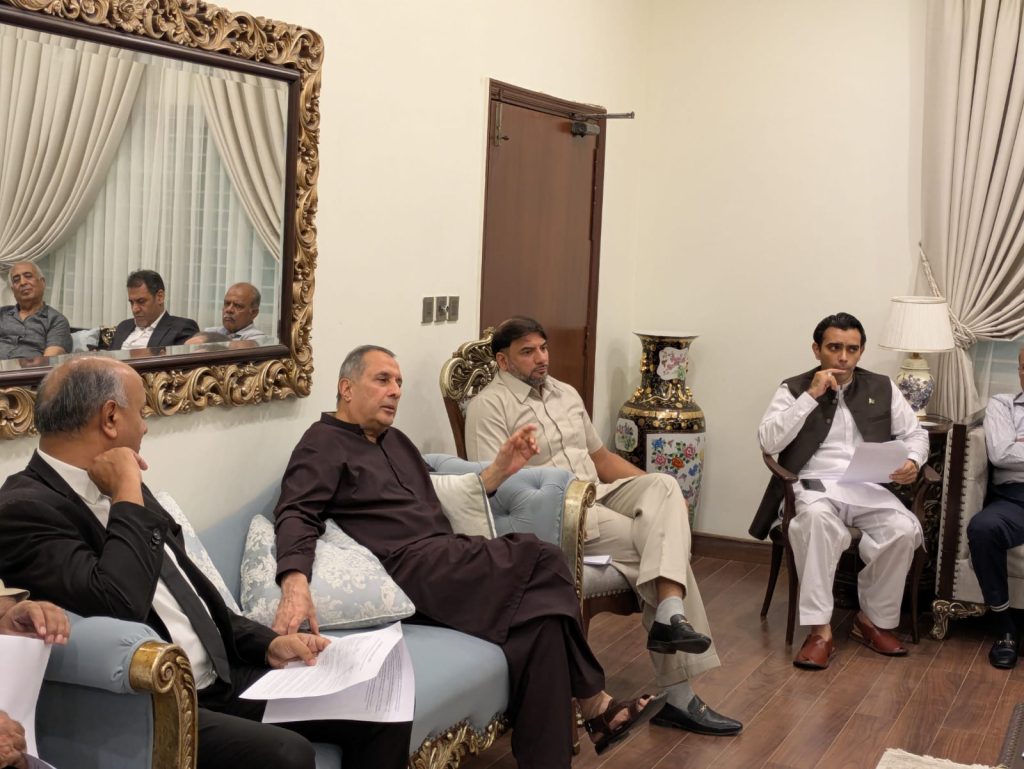
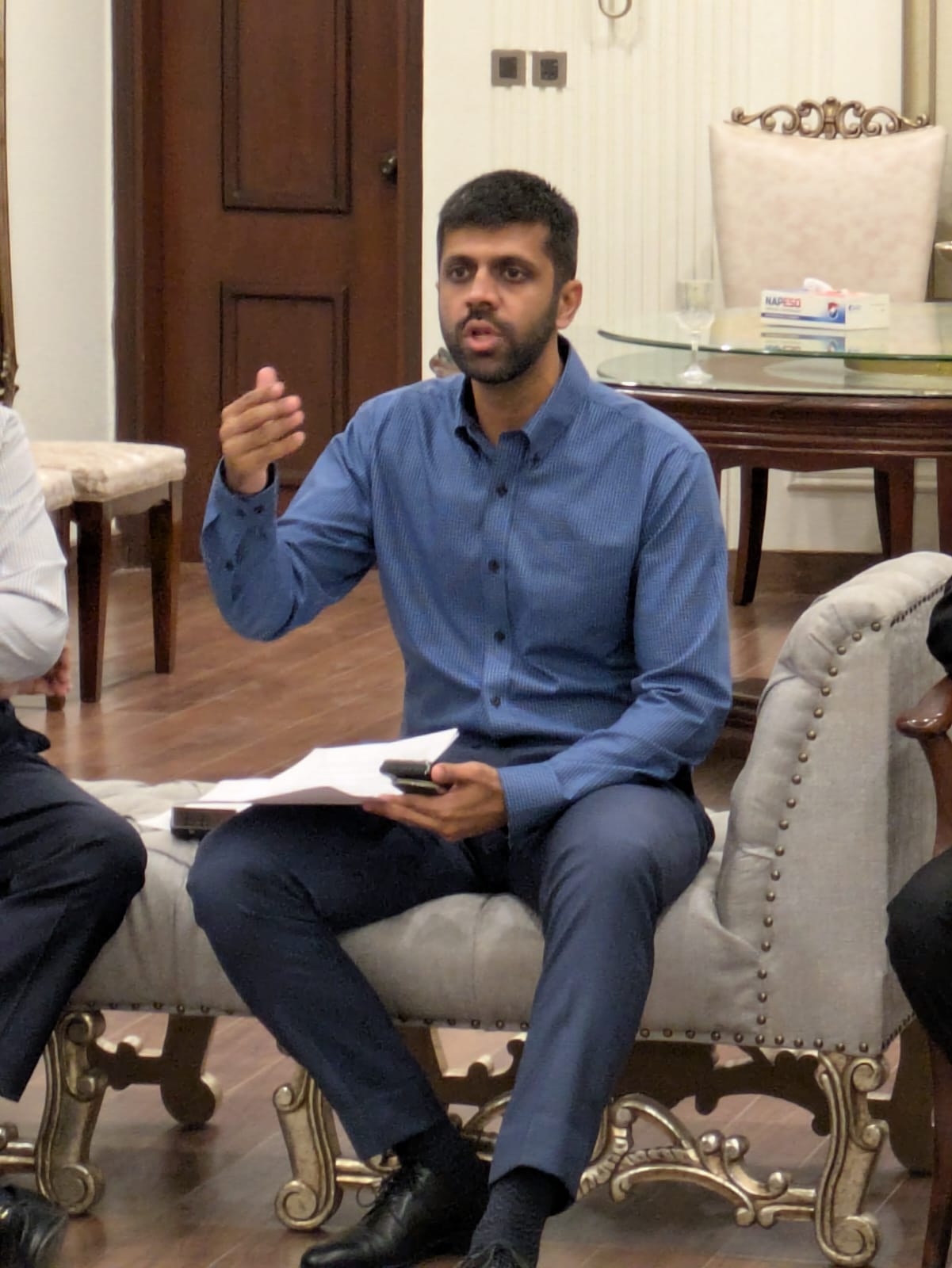
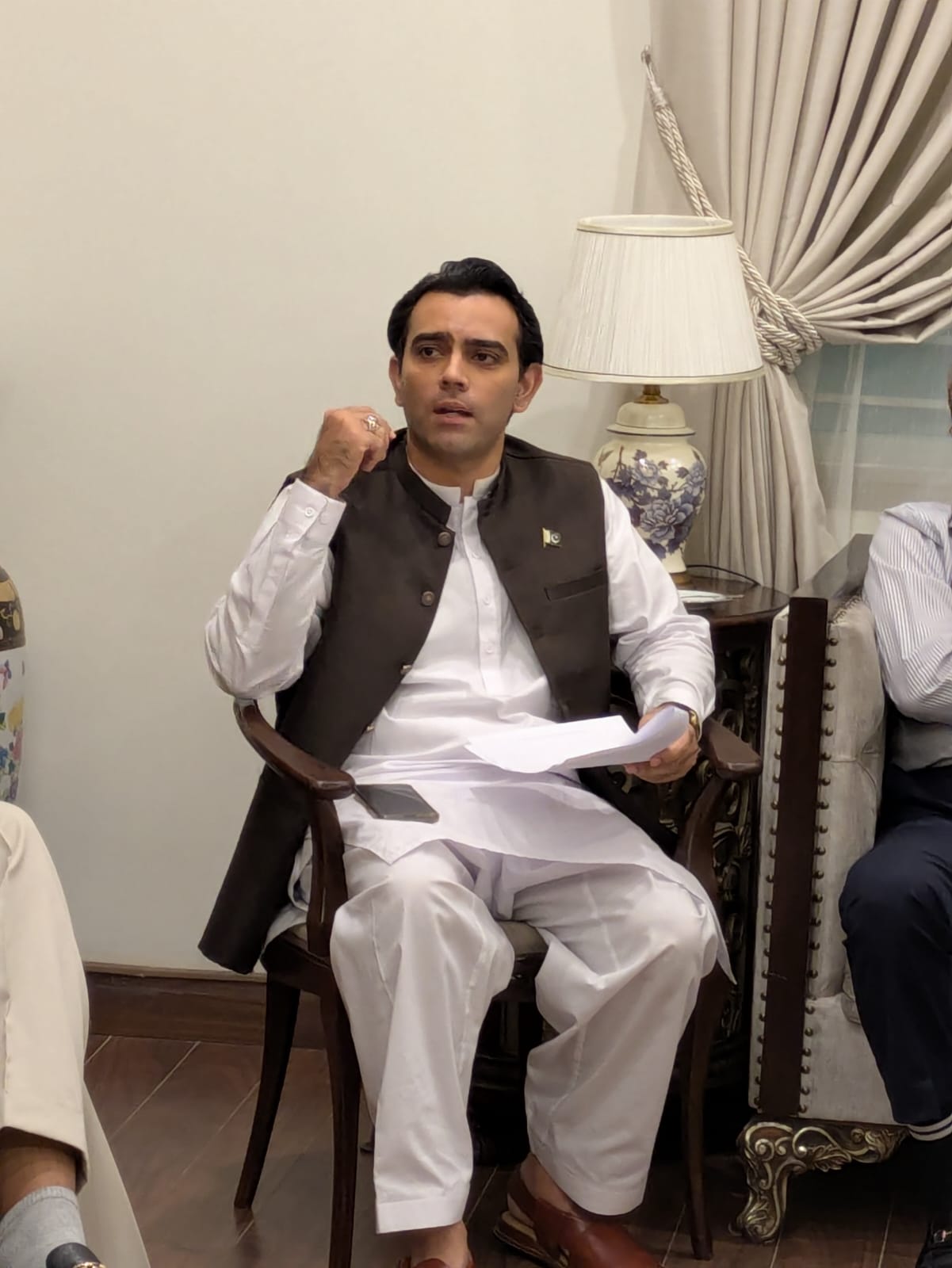
This issue came under detailed discussion at a dialogue session on “Judicial Reforms for Economic, Trade & Investment Growth in Pakistan,” organized by the Pakistan Sustainable Development Initiative (PSDI) in collaboration with the Professional Lawyers Forum (PLF), a forum under the supervision of the Professional Youth Foundation of Pakistan (PYFP). The session brought together legal experts, industrialists, diplomats, academics, policymakers, technology professionals, journalists, defense analysts and representatives of civil society. The Chief Guest was Mr. Justice Arif Hussain Khilji, former Judge of the Supreme Court of Pakistan.
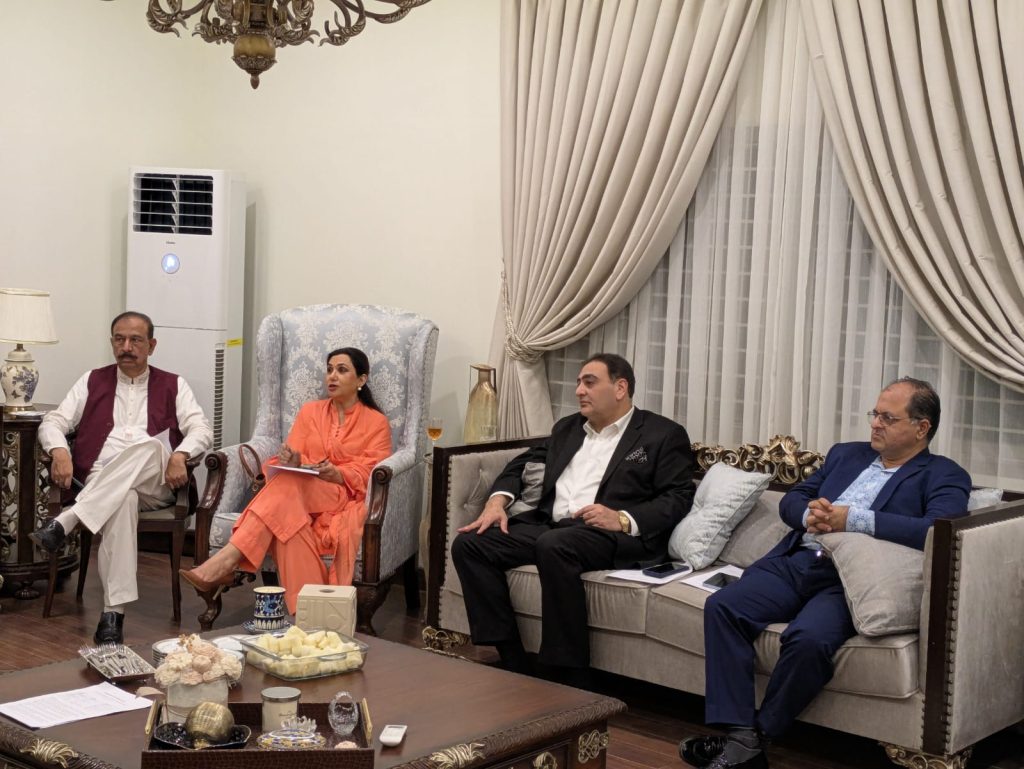
The central message emerging from the dialogue was that judicial reform should not be viewed merely as a matter concerning the legal sector. It has a direct relationship with investment confidence, industrial development, trade, exports and Pakistan’s overall economic security.
Justice Delayed, Economic Cost Increased
For a businessman or investor, a commercial dispute that remains unresolved for years is not simply a legal inconvenience. It can mean blocked working capital, stalled projects, disrupted contracts, reduced employment, delayed production and lost business opportunities.
Advocate Dr. Shahab Imam emphasized the need for specialized commercial justice mechanisms and time-bound disposal of business disputes. He stressed that predictable justice is essential for building confidence among both domestic and foreign investors.
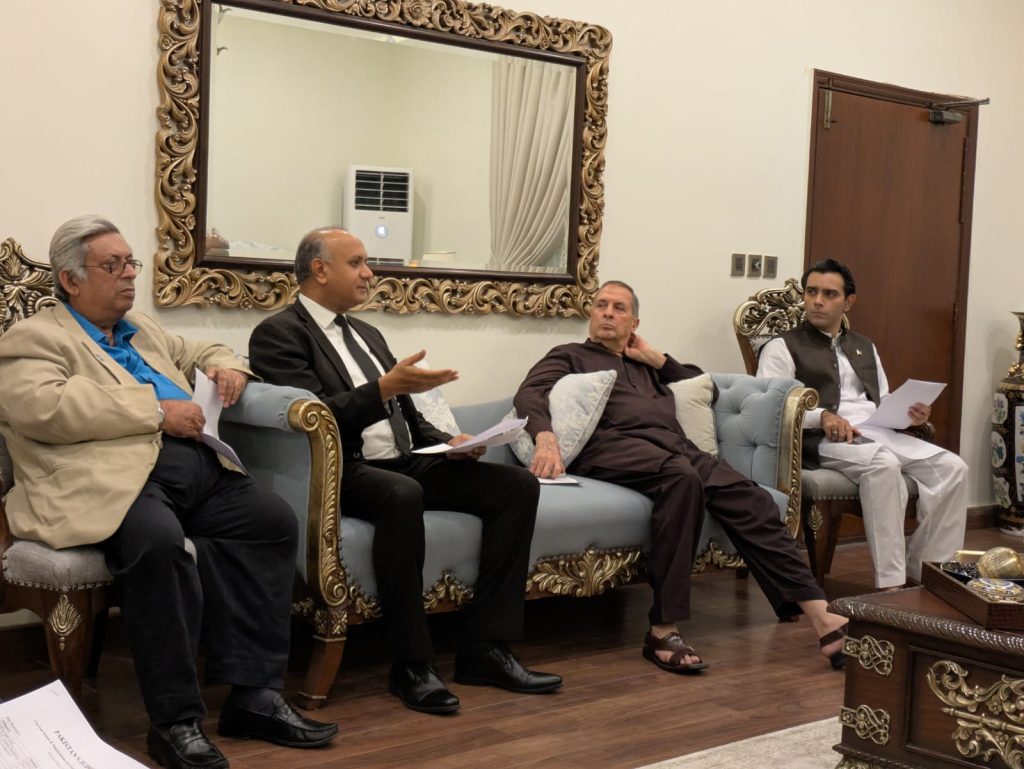
Barrister Syed M. Nabeel Mustafa, Convener Professional Lawyers Forum, highlighted the importance of cost-effective litigation and greater accessibility of justice for the business community. He also emphasized the responsible use of technology and Artificial Intelligence in the judicial system.
Advocate Wasif Riaz, Advocate Supreme Court of Pakistan, stressed efficient case management, reduction of unnecessary adjournments and specialized commercial benches for expediting business-related disputes.
Economic Security and National Security
During the dialogue, Brig. Syed Karrar Hussain (Retired) observed that economic security and national security are closely interconnected. A country cannot maintain long-term national resilience without a strong, productive and competitive economy.
He emphasized that institutional stability, rule of law, enforceability of contracts and a predictable business environment are fundamental to attracting investment, strengthening industry and improving Pakistan’s economic resilience.
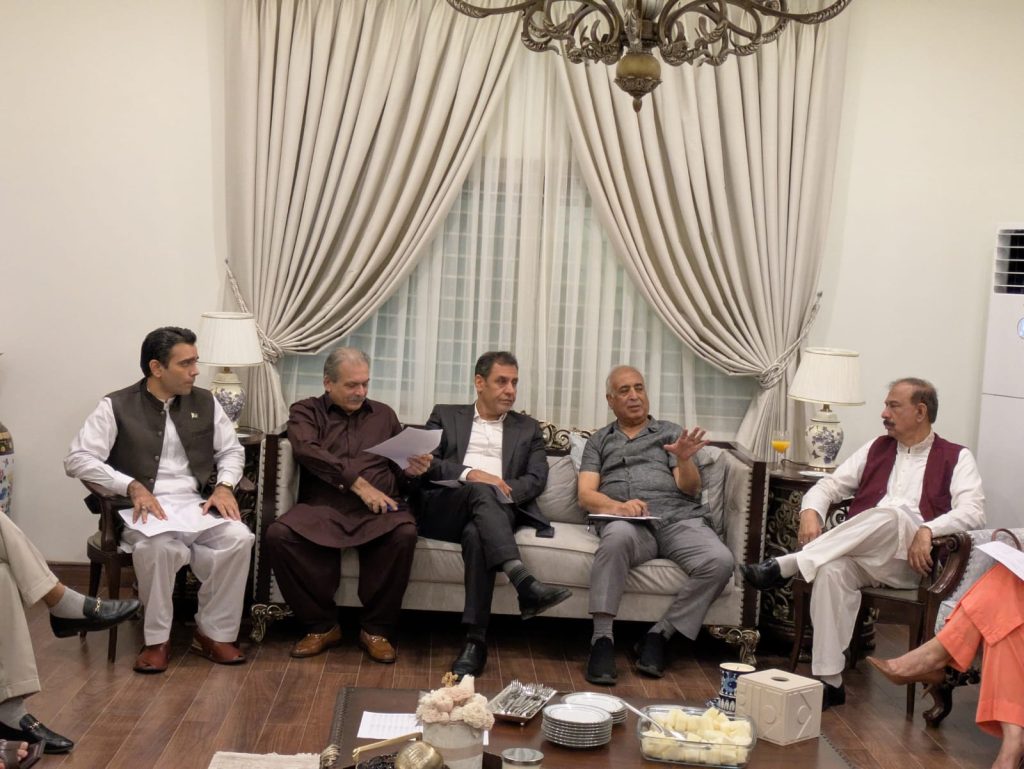
Brig. Karrar Hussain specifically drew attention to the problem of sick and stalled industrial and commercial projects that have remained unproductive for prolonged periods because of litigation and court stays. He observed that, in certain cases, weaknesses in contractual arrangements and deficiencies in contract law have contributed to prolonged disputes, while interim orders have prevented projects from moving forward until final decisions are reached.
Such situations, he pointed out, can have consequences far beyond the litigating parties. Productive assets may remain idle, investors may lose confidence, capital can remain blocked and employment opportunities can be affected. When a project capable of generating production, employment and exports remains stalled for years, the issue effectively becomes an economic concern as well as a legal one.
Brig. Karrar Hussain further stated that he has prepared a detailed paper on this subject, focusing on the relationship between contractual weaknesses, litigation, court stays and stalled projects, and would share the paper with Mr. Umar Khan for further consideration and policy discussion.
His intervention underlined an important principle: commercial justice should protect legitimate legal rights while also ensuring that productive economic activity is not unnecessarily immobilized for years.
Business and Diplomatic Perspective
H.E. Fazal Karim Dadabhoy, Honorary Consul General for Ivory Coast, highlighted investor confidence, reliable commercial dispute resolution and stronger international business linkages as important factors in expanding trade and investment.
H.E. Ebrahim Khalid Tawab, Honorary Consul General for Ethiopia, stressed that efficient institutions and predictable legal procedures can facilitate stronger bilateral trade, investment and business partnerships.
H.E. Morad Nemati, Economic Counsellor of Iran, emphasized the importance of predictable commercial laws and effective dispute-resolution mechanisms in strengthening cross-border trade and economic cooperation.
From the industrial sector, Mr. Zubair Chayya, Deputy Patron-in-Chief KATI, highlighted the challenges created by prolonged disputes, regulatory uncertainty and administrative procedures. Mr. Shujat Baig, CEO Shujat Impex and Advocate, advocated faster, affordable and predictable litigation.
Mr. Rashid Siddiqui, President Karachi Business Forum, emphasized practical reforms to reduce the cost of doing business, while Mr. Farukh Mazhar, CEO F&M Companies, pointed out that prolonged litigation can block business capital and discourage expansion.
Mr. Junaid Naqi, former President KATI, emphasized that institutional reform must ultimately translate into reduced business costs, faster decisions and improved confidence among investors and industrialists.
Technology and the New Economy
The dialogue also recognized that Pakistan’s justice system must respond to the requirements of the digital economy.
Mr. Syed Waqas Badshah, CEO Webnet Pakistan Ltd., emphasized digital transformation through e-filing, electronic records, digital case tracking and technology-enabled dispute resolution.
Shahrukh Ali, Director Incubation Support Program, highlighted the particular needs of startups and emerging businesses, which require simple, affordable and predictable legal mechanisms for contracts, intellectual property and commercial disputes.
Dr. Mansoor Ebrahim, Dean Iqra University, highlighted the role of universities in developing legal expertise, research and policy solutions.
Shahzain, Social Media Secretary PYFP, emphasized the role of youth and digital communication in creating awareness about institutional reforms and Pakistan’s economic future.
Muhammad Umer Khan, Broadcast Journalist and Anchor AAJ News TV, stressed the importance of connecting judicial and administrative reforms with Pakistan’s economic narrative, industrial growth and export competitiveness, while ensuring that reforms are effectively communicated to the business community and wider public.
Key Reform Priorities
The dialogue proposed a number of practical reforms.
Pakistan should consider establishing a fast-track commercial justice system, with designated commercial courts at district, provincial and federal levels. Commercial cases should operate under defined timelines covering registration, framing of issues, evidence, arguments and judgments.
A specialized mechanism for international commercial disputes, arbitration and foreign-investment cases should also be considered, particularly for exporters, foreign investors, multinational companies, banks, logistics companies, technology firms and Special Economic Zones.
Mandatory case management should become an essential component of commercial litigation. Electronic filing, online cause lists, fixed hearing schedules, digital records and case-tracking systems can improve transparency and reduce unnecessary delays.
Pakistan should also substantially strengthen Alternative Dispute Resolution, including arbitration, mediation, conciliation and commercial settlement centers. A dispute capable of being resolved within months should not consume years of judicial resources.
Insolvency, Intellectual Property, Tax and Customs
Modern insolvency and bankruptcy procedures are equally important. Viable businesses should have opportunities for restructuring, while unsuccessful enterprises should be able to exit the market efficiently. This can protect creditors and release unproductive capital for more productive use.
Similarly, specialized mechanisms for intellectual-property disputes can become increasingly important as Pakistan seeks greater exports in technology, pharmaceuticals, engineering and other knowledge-intensive sectors.
Tax and customs litigation also requires predictable timelines. Prolonged disputes can block working capital and create uncertainty for exporters and industrialists.
Justice and Export Growth
The relationship between judicial efficiency and exports can be summarized simply:
Fast Justice → Lower Business Risk → Greater Investment → More Industry → Higher Production → Competitive Exports → Increased Foreign Exchange
For exporters and industrialists, prolonged litigation can lead to blocked working capital, contractual uncertainty, delayed recovery of payments, taxation and customs disputes, banking problems and intellectual-property concerns.
Judicial reform should therefore be regarded as an important component of Pakistan’s export-led economic growth strategy, rather than being treated exclusively as a legal-sector matter.
Industrial and Commercial Justice Benches
The establishment of Industrial and Commercial Justice Benches in major economic centers—including Karachi, Lahore, Faisalabad, Sialkot, Gujranwala, Multan, Peshawar and Islamabad-Rawalpindi—deserves serious consideration.
These specialized mechanisms could address disputes relating to commercial contracts, banking, taxation, customs, intellectual property, insolvency, investment agreements and other business matters.
Karachi, because of its ports, manufacturing base, banking sector, trading activity, logistics infrastructure and major contribution to Pakistan’s exports, could serve as a particularly important center for such reforms.



Judicial Reform Must Go Beyond the Courts
One important conclusion of the dialogue was that judicial reform alone cannot resolve every obstacle faced by businesses.
Administrative procedures, government approvals, taxation, customs, regulatory uncertainty and weak institutional coordination can also impose significant costs.
Pakistan therefore needs an integrated reform framework:
Judicial Reform + Administrative Reform + Regulatory Reform + Digitalization + Effective Enforcement.
Justice should not end with the announcement of a judgment. The execution and enforcement of judgments must also be timely, transparent and effective.
A Stakeholder-Based Way Forward
The dialogue proposed consideration of a Committee of Stakeholders comprising representatives of the judiciary and legal profession, business and industrial associations, government departments, tax and customs authorities, foreign investors and diplomatic missions, academia, think tanks, technology companies, startups and relevant professional organizations.
Such a committee could identify priority barriers, develop practical recommendations and facilitate coordination among institutions for implementation.
The dialogue organized by PSDI and PLF thus went beyond a conventional discussion about the courts. It highlighted a fundamental economic reality: investors require confidence, businesses require predictability, industry requires timely decisions and exports require a competitive institutional environment.
Pakistan’s economic future will depend not only on what the country produces, but also on how effectively its institutions protect investment, enforce contracts and resolve disputes.
A modern, technology-enabled and commercially responsive justice system can become an important pillar of Pakistan’s economic transformation. The objective should be to create an environment where legitimate legal rights are protected, contracts are enforceable, productive projects are not unnecessarily stalled, capital remains productive and businesses can operate with greater certainty.
The participation of Mr. Justice Arif Hussain Khilji, former Judge of the Supreme Court of Pakistan, as Chief Guest, together with representatives from the legal, industrial, diplomatic, academic, media and technology sectors, provided an important platform for continuing this national conversation.
As PSDI President Mr. Talha Ali emphasized, the purpose of such policy dialogues is to bring stakeholders together, identify structural barriers and develop practical solutions for sustainable economic and institutional development.
For Pakistan, judicial reform is therefore not simply about improving the disposal of cases. It is about building confidence in institutions, protecting productive investment, strengthening industry, facilitating trade and creating the legal certainty necessary for sustainable economic growth.