




















Mushaiyada Mairaj
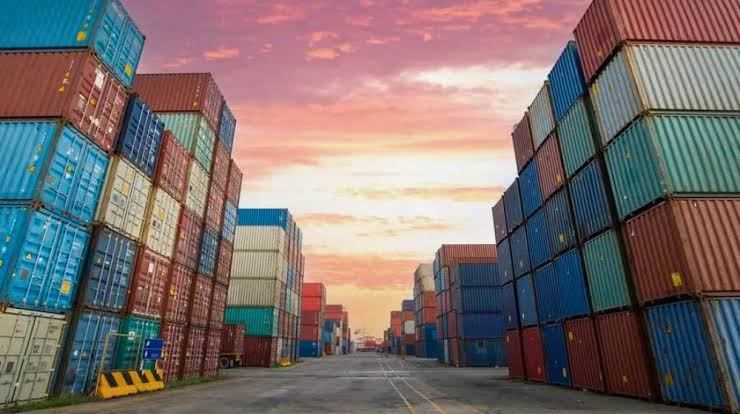
The blue economy is not restricted to fisheries or coastal tourism. Ports are the engines of sustainable maritime development, facilitating trade and logistics, safeguarding the environment, industrial development andraising digital innovation in the world. Pakistan relies heavily on maritime trade with nearly 95 percent of foreign trade passing through sea ports, modern and competent ports are vital to realize the economic potential of the maritime sector. The transformation underway at Karachi Port Trust (KPT) is more than just a shift in the way ships move through the port; it’s a strategic investment in Pakistan’s blue economy.
For years, congestion, aged infrastructure and administrative delays were constant issues at Karachi Port. Now, the energy is being directed towards developing a smarter, greener and more efficient port ecosystem. KPT is working towards a digitalized and upgraded infrastructure that will help Pakistan become more competitive in the regional sea trade through various environmental and trade facilitation initiatives.
Digital transformation is at the center of this modernization process. Services such as KPT Connect application which includes mobile-based services that will make shipping agents and port users to retrieve vessel movement data and operational information and port services from their smartphones. Availability of real-time information will decrease the need for physical visits and manual processes, reduce the need for human interfaces, increase transparency and improve operational efficiency.
It is not just about mobile apps; KPT’s digital journey continues. Use of electronic procurement systems, online recruitment systems and transparent tendering platforms are bringing administrative efficiency and a more business friendly environment. These will help to minimize delays, improve accountability and enable improved interaction between port and stakeholders.
Modernization of Enterprise Resource Planning (ERP) system and Vessel Traffic Management System (VTMS) is also contributing to the development of smart port. The advanced monitoring technologies of the vessels enhance the safety of navigation, optimize allocation of berths and promote better coordination among terminals. These systems can cut down on logistics expenses and boost Pakistan’s competitiveness in regional shipping networks by lowering vessel waiting times, optimizing cargo handling, and boosting efficiency.
The development of infrastructure is a crucial aspect for the future growth of Karachi Port. The post-monsoon dredging program will be carried out to expand the harbor capacity and allow for the use of larger vessels in the port, such as those of up to 120,000 Gross Registered Tonnage (GRT). In addition to dredging, the previously mentioned improvements to cargo handling equipment, cranes and bulk facilities will boost efficiency and enable KPT to process more domestic, international and transshipment cargo.
A key opportunity for Karachi Port is to further establish itself as a regional transshipment center. Pakistan’s geographical location provides a strategic advantage by connecting South Asia, Central Asia and the Middle East. More shipping lines and transshipment activity can be achieved from improved turnaround times, efficient terminal operations and reliable digital systems. Better transshipment sector could produce a broader economic impact through supporting logistics, warehousing, transportation, ship repair and other marine industries.
Environmental sustainability is another key component of a 21st century blue economy. As the responsibility of environmental management grows in the port operation, KPT has been actively carrying out activities to promote the cleanliness of the harbor by regularly removing floating waste and investing in waste collection vessels. Ongoing progress toward using cleaner fuels, monitoring, protecting water quality and marine ecosystems will contribute to environmentally responsible growth of the maritime sector.
Efficient, sustainable and competitive ports are vital for the blue economy of Pakistan. Ongoing investment, efficient implementation, and long-term planning are still required, but KPT’s ongoing reforms are a significant step towards a modern maritime future. The digitally connected, environmentally sustainable and commercially viable Karachi Port will help put Pakistan in a better position as a regional trade gateway and bolster economic resilience. The modernization of KPT is a project of not just infrastructure, but investing in the future of Pakistan through the ocean economy.
About the author:
Dr. Mushaiyada Mairaj, is a distinguished Research fellow and Marine Biologist at the National Institute of Maritime Affairs (NIMA) in Karachi. She holds a Ph.D. in Marine Biology and specializes in the research areas: Fisheries and Zooplankton composition/structure, Marine Pollution, Indus River Estuary contamination risks and Impacts of climate change on coastal waters.