





















By Dr. NaziaSher
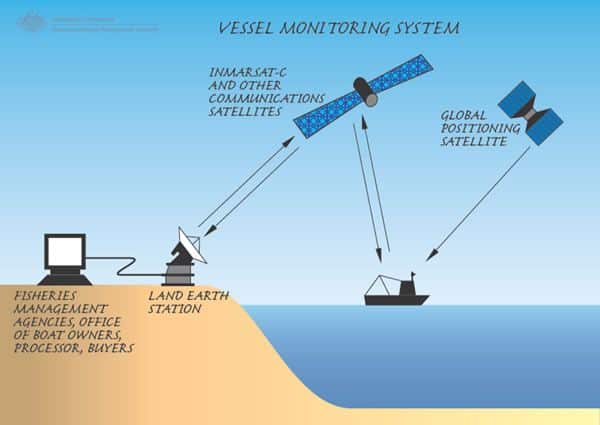
Pakistan’s decision to operationalise a Vessel Monitoring System (VMS) represents a significant step towards modernising fisheries governance. Declared a project of national importance by the Ministry of Maritime Affairs, the initiative aims to establish a National Fisheries Monitoring Centre (NFMC) for real-time vessel monitoring, enhanced traceability, stronger MCS and reducing IUU fishing.
Pakistan has historically lacked a nationwide real-time monitoring system for its fishing fleet despite of having 1001 km coastline. Fisheries oversight has largely depended on licensing records, harbour inspections and periodic surveillance, limiting enforcement capacity, reducing situational awareness and constraining science-based fisheries management.
Recognising this gap, Ministry of Maritime Affairs in October 2022 designated VMS as a project of national importance and initiated the establishment of the National Fisheries Monitoring Centre. A steering committee was constituted, and the Pakistan Maritime Security Agency (PMSA) was assigned responsibility for developing the PC-I for a centralised shore-based monitoring system. The initiative is expected to enhance fisheries compliance, strengthen maritime surveillance and improve the traceability of Pakistan’s seafood exports.
The need for such reforms is reinforced by global fisheries challenges. The Food and Agriculture Organization (FAO) estimates that Illegal, Unreported and Unregulated (IUU) fishing accounts for approximately 11–26 million tonnes of fish annually, causing economic losses of billions of dollars worldwide. As a result, VMS has become an important governance tool for improving fisheries enforcement, supporting scientific assessments, and promoting sustainable management of marine resources.
For Pakistan, VMS is not only an enforcement mechanism but also an opportunity to strengthen competitiveness in international seafood markets, where traceability, legality, and sustainability are increasingly becoming essential requirements. An effective monitoring system can improve regulatory confidence, generate reliable fisheries data, and support responsible resource management.
PMSA’s role in this initiative aligns with its mandate under the Pakistan Maritime Security Agency Act, 1994, including maritime surveillance, fisheries regulation enforcement, protection of marine resources and enhancing Maritime Domain Awareness (MDA). Through the NFMC, PMSA can strengthen real-time monitoring and coordination with fisheries authorities. However, VMS alone cannot ensure effective fisheries governance and must be integrated with broader MCS tools, including electronic licensing, catch documentation, GIS, satellite monitoring, and risk-based inspections.
On 1 August 2026, the Pakistan Maritime Security Agency (PMSA) held the Contract Signing Ceremony for the Vessel Monitoring System (VMS) Project, marking an important step towards strengthening Maritime Domain Awareness, improving vessel monitoring, and enhancing fisheries governance.The VMS project, executed by PMSA with support from Federal and Provincial Governments, will establish a digital monitoring framework for fishing vessels, improve regulatory compliance, support efforts against Illegal, Unreported and Unregulated (IUU) fishingand contribute to sustainable management of marine resources.
The next phase should focus on developing a strong legal framework, integrating fisheries databases, improving institutional coordination and building technical capacity. By aligning with global best practices, including FAO’s Monitoring, Control and Surveillance (MCS) approach and the Agreement on Port State Measures (PSMA), Pakistan can strengthen fisheries governance and advance its Blue Economy objectives. The success of VMS will depend on its ability to move beyond vessel tracking and become an effective digital fisheries governance system.
About the Author
Dr. NaziaSher is a Research Associate at the National Institute of Maritime Affairs (NIMA) with expertise in fisheries governance, the Blue Economy and maritime policy.