






















By Brig Syed Karrar Hussain (Retired)
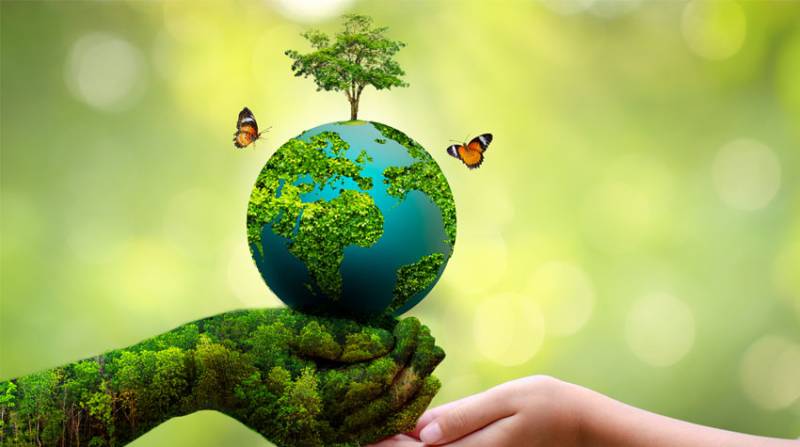
Every year on 5th June, people across the globe observe World Environment Day to raise awareness about environmental protection and encourage action for a cleaner, greener, and healthier planet. Established by the United Nations in 1972 during the United Nations Conference on the Human Environment, World Environment Day has become the largest international platform for environmental outreach, engaging governments, organizations, communities, and individuals worldwide.
The day reminds humanity that environmental protection is not merely the responsibility of governments and environmental agencies; rather, it is a collective obligation of every citizen. The future of our planet depends on the decisions we make today regarding natural resources, pollution control, climate change mitigation, and sustainable development.
Importance of World Environment Day
The environment forms the foundation of human existence. Clean air, safe drinking water, fertile land, forests, rivers, oceans, and biodiversity are essential for life. However, rapid industrialization, uncontrolled urbanization, deforestation, excessive consumption of natural resources, and population growth have placed tremendous pressure on ecosystems worldwide.
World Environment Day serves several important purposes:
Raising public awareness about environmental issues.
Encouraging governments to formulate environmentally friendly policies.
Promoting sustainable development.
Inspiring communities to participate in conservation activities.
Mobilizing youth to become environmental ambassadors.
Highlighting the urgent need to combat climate change.
Environmental degradation is no longer a distant threat. It directly affects public health, food security, water availability, economic stability, and national security. Therefore, environmental protection must be considered a strategic priority for every nation.
Environmental Challenges Facing Pakistan
Pakistan is among the countries most vulnerable to climate change despite contributing only a small percentage to global greenhouse gas emissions. The country faces multiple environmental challenges that threaten its social and economic development.
Climate Change
Climate change is perhaps the most serious environmental challenge facing Pakistan. Rising temperatures, irregular rainfall patterns, prolonged droughts, glacial melting, and extreme weather events have become increasingly common.
The devastating floods of 2022 demonstrated how climate-related disasters can affect millions of people, damage infrastructure, destroy crops, and strain national resources. Heatwaves in southern Pakistan, particularly in Sindh, have become more frequent and intense, posing serious health risks.
Water Scarcity
Pakistan is rapidly approaching water stress conditions. Population growth, inefficient irrigation systems, groundwater depletion, and changing rainfall patterns have significantly reduced water availability.
Many regions already face shortages of safe drinking water, while agricultural productivity is increasingly threatened by declining water resources.
Air Pollution
Air pollution remains a major concern in urban centers. Industrial emissions, vehicle exhaust, construction activities, and the burning of fossil fuels contribute to poor air quality.
Respiratory illnesses, cardiovascular diseases, and other health complications are increasing as a result of prolonged exposure to polluted air.
Deforestation
Forests play a critical role in maintaining ecological balance, conserving biodiversity, and absorbing carbon dioxide. Unfortunately, illegal logging, urban expansion, and land conversion continue to reduce forest cover in many parts of Pakistan.
Although large-scale plantation initiatives have shown encouraging results, sustained efforts are required to reverse environmental damage.
Solid Waste Management
Improper disposal of solid waste has become a serious environmental and public health challenge. Plastic waste, industrial waste, and household garbage often accumulate in open spaces, drains, and waterways, creating pollution and increasing the risk of disease outbreaks.
Environmental Challenges in Karachi
As Pakistan’s largest city and economic hub, Karachi faces unique environmental challenges due to its large population, rapid urban growth, and industrial activities.
Air Quality Concerns
Karachi experiences significant air pollution caused by millions of vehicles, industrial emissions, generators, and construction projects. Poor air quality contributes to asthma, allergies, and respiratory disorders among residents.
Water Pollution
Many industrial units discharge untreated waste into water channels and coastal areas. Pollution of rivers, drains, and coastal waters negatively affects marine ecosystems and public health.
Solid Waste Crisis
Karachi generates thousands of tons of waste daily. Inadequate collection and disposal systems often result in garbage accumulation on roadsides, vacant plots, and storm-water drains.
This not only creates unpleasant living conditions but also contributes to urban flooding during the monsoon season.
Loss of Green Spaces
Rapid urbanization has reduced parks, gardens, and open spaces. Trees are frequently removed for development projects without adequate replacement, resulting in higher temperatures and reduced environmental resilience.
Urban Flooding
Poor drainage infrastructure, encroachments on natural waterways, and improper waste disposal frequently lead to flooding during heavy rains. Recent monsoon seasons have highlighted the urgent need for improved urban planning and drainage management.
Recommendations for the Government of Pakistan
The federal government can play a leading role in environmental protection through the following measures:
1. Strengthen climate adaptation and mitigation policies.
2. Expand renewable energy projects, particularly solar and wind power.
3. Improve water conservation and management systems.
4. Enforce environmental regulations strictly across industries.
5. Promote nationwide afforestation and reforestation programs.
6. Invest in environmentally sustainable public transportation.
7. Strengthen environmental education in schools and universities.
8. Encourage research and innovation in green technologies.
9. Establish effective waste recycling systems.
10. Integrate environmental considerations into all development planning.
Recommendations for the Government of Sindh
The Sindh government has a crucial role in addressing environmental challenges, particularly in Karachi and other urban centers.
Key recommendations include:
Improving municipal waste collection and disposal systems.
Expanding urban forestry initiatives and tree plantation campaigns.
Monitoring industrial emissions and enforcing compliance.
Upgrading drainage infrastructure to prevent urban flooding.
Protecting coastal ecosystems and mangrove forests.
Promoting environmentally friendly construction practices.
Enhancing public awareness campaigns on environmental protection.
Supporting climate-resilient agriculture in rural Sindh.
Responsibilities of the General Public
Environmental protection can not succeed without active public participation. Every citizen can contribute by adopting environmentally responsible behavior.
Individuals should:
Plant and protect trees.
Avoid littering and dispose of waste properly.
Reduce the use of plastic bags and single-use plastics.
Conserve water and electricity.
Use public transportation whenever possible.
Participate in community clean-up activities.
Support recycling initiatives.
Educate children about environmental responsibility.
Report environmental violations to relevant authorities.
Promote environmental awareness through social and community networks.
Conclusion
World Environment Day is much more than an annual observance; it is a reminder of humanity’s shared responsibility toward the Earth. Pakistan, like many developing nations, faces significant environmental challenges ranging from climate change and water scarcity to pollution and deforestation. Karachi, as the country’s largest metropolitan city, confronts additional pressures arising from rapid urbanization and population growth.
Addressing these challenges requires coordinated efforts by the federal government, provincial governments, local authorities, civil society, the private sector, and individual citizens. Environmental protection should not be viewed as an optional activity but as an essential investment in national security, economic prosperity, public health, and the well-being of future generations.
On this World Environment Day, let us renew our commitment to protecting nature, conserving resources, and building a cleaner, greener, and more sustainable Pakistan for generations to come.